
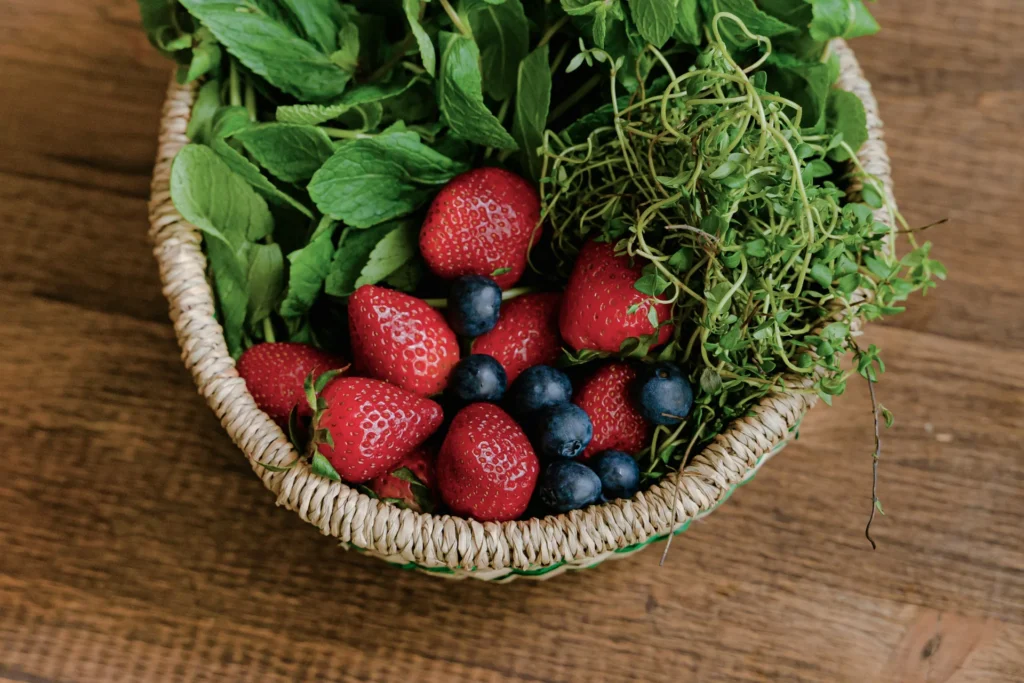
The anti-inflammatory diet is a nutritional approach that has sparked increasing interest due to its relationship with low-grade chronic inflammation, a physiological process involved in numerous metabolic, digestive, neurological, and immunological disorders.
Several studies have observed that certain dietary patterns directly influence the body's inflammatory response and the appearance of symptoms such as persistent fatigue, joint pain, headaches, migraines, and allergies. In this context, the question arises as to whether this is a passing trend or a well-founded tool for preventing and addressing inflammatory imbalances.
The inflammation it's a essential mechanism for survival. It allows the body to respond to infections, injuries, or external agents. However, when this response remains continuously activated without a clear acute cause, it can lead to persistent inflammatory state which disrupts the normal functioning of tissues and organs. This type of inflammation is usually silent and progressive, which explains why many people normalize certain symptoms for years.
Among the most frequent manifestations associated with chronic low-grade inflammation They are found:
- Abdominal bloating and indigestion
- Muscle or joint pain
- Physical and mental fatigue
- Skin problems
- Changes in body weight
- Migraines and recurring headaches
- Persistent or exacerbated allergies
- Hormonal imbalances
- Autoimmune diseases
Factors such as sustained stress, the lack of dream, he sedentary lifestyle and one diet based on ultra-processed products contribute significantly to this inflammatory state.
Relationship between diet and inflammation
From a physiological point of view, the feeding acts as a key modulator of the inflammatory response. Certain nutrients y bioactive compounds influence the production of cytokines, prostaglandins and others mediators involved in inflammatory processes and in the activation of immune system.
In this sense, a diet with an anti-inflammatory profile It is characterized by prioritizing food fresh, seasonal and rich in antioxidants, essential fatty acids and dietary fiber, preferably organic, thus avoiding pesticides, herbicides and the poor nutrition of monoculture soils, which can also act as pro-inflammatory factors in the organism.
Among the most recommended foods are:
- Seasonal vegetables
- Fruits rich in antioxidants, especially red berries
- Healthy fats such as raw extra virgin olive oil and avocado
- Quality protein
- Oily fish rich in omega-3 fatty acids
- Nuts and seeds
- Spices with anti-inflammatory properties such as turmeric or ginger
- Fermented foods that promote a balanced gut microbiota
The importance of the gut microbiota for health and inflammation
The gut microbiota It is essential for digestion, nutrient absorption, and inflammation regulation. Maintaining a healthy balance of gut bacteria favors the production of anti-inflammatory compounds, improves the digestive health and reinforces the immune system (we already know that 70-80% is in the intestine).
Conversely, an imbalance in its composition, known as dysbiosis, has been associated with an increase in intestinal permeability, creating endotoxemia e low-grade inflammation, processes that can activate systemic immune responses and contribute to metabolic, inflammatory, and neurological diseases.
Foods that promote an inflammatory environment
There are foods that, when consumed regularly, can promote inflammation by altering the glucose metabolism, he lipid profile and the intestinal balance:
- Refined sugars
- White flours
- Ultra-processed products
- Low quality fats
- High alcohol consumption
Frequent consumption of these products has been associated with an increase in oxidative stress and of the inflammatory markers, which may increase the risk of chronic inflammatory processes.
An approach that goes beyond diet
Although the feeding It is a fundamental pillar, the inflammation It cannot be approached solely from that perspective. The axis gut-brain-immune system is deeply influenced by the stress, the quality of rest and the level of physical activity.
Therefore, the best results are observed when the nutritional changes They are accompanied by habits that promote the regulation of the nervous system, he restful sleep and the conscious movement.
Is this a valid approach for everyone?
While the principles of the anti-inflammatory diet They are widely beneficial, but not everyone experiences the same degree or the same origin of them. inflammation. Personalization is key to identifying the most suitable foods and the possible individual sensitivities and the life stage of each person.